Strength & Conditioning
- Sports science and biomechanics
- Tailored to the athlete
- 50 minute sessions

Mind, Body, Skill. All under one roof. We combine elite-level training with sports science, recovery, and mindset coaching to build resilient leaders, not just stronger athletes.
At Mentoring The Elite, we prepare youth athletes to perform at their best, in sport and in life.
Everything we do is built on the four pillars of athletic development: strength and conditioning, mindset, nutrition, and recovery. Our coaches, mentors and performance experts combine elite-level training with the latest sports science across all four. We don’t just create stronger athletes. We create resilient leaders. Confident competitors. Better humans.
We go beyond physical training, and focus on holistic development that prepares our mentees for success both on and off the field.
Artarmon, end to end — training floor, recovery suite and everything in between.
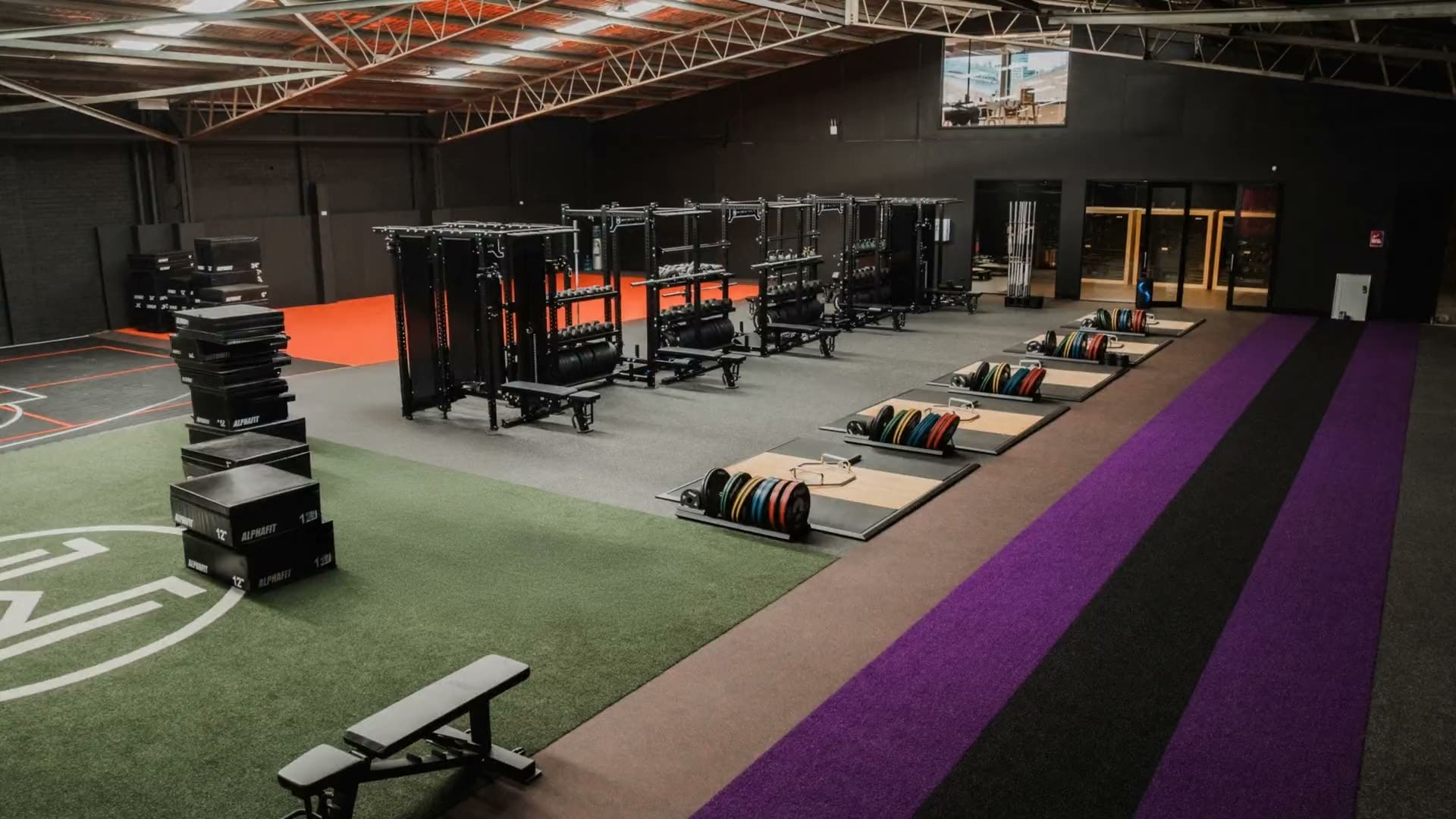
Keep scrolling to walk the floor, end to end — sprint lanes, rigs, turf, court and mats.
Rebuilds the trunk and hip control a body loses through a growth spurt. The reformer’s springs let a coach set the resistance low enough to train the movement properly, so an athlete owns the position before any load goes on it — which is what protects knees and backs when they land, turn and sprint.
Gets an athlete recovering rather than just resting. Infrared warms the body directly instead of heating the air around it, and a session after training has been shown to bring jump performance back faster and take the edge off next-day soreness.
For when the next game matters more than the next gain. Cold water settles the swelling and soreness after a hard session so an athlete backs up quicker — which is why we point them at it in-season and around carnivals, and steer them away from it on the days built for getting stronger.
This is what everything else gets built from. The plates measure how hard an athlete pushes into the ground and how fast, so a coach can see which side is doing the work, where the gap is, and whether the last block actually moved anything — instead of guessing.
Makes speed something you can actually train. The gates time every run to the hundredth, so an athlete can see the number come down week by week — and a coach knows whether the work is paying off or needs changing.
Where athletes get stronger, and it is coached rather than supervised. Small groups mean someone is watching how each rep moves and correcting it, and the load is set off that athlete’s own test numbers rather than what the person beside them is lifting.
This is where explosiveness comes from. The sprung floor and rubber plates mean a bar can be driven up and dropped safely, and it is that speed under load — not just the weight — that turns into a higher jump and a faster first step.
Where every session starts, and it is not a generic warm-up. Each athlete works through their own list, set from what their testing showed, so the body is ready for the specific thing they are about to do — which is the cheapest injury prevention there is.
Sharpens the footwork that shows up on a field — stopping, turning, reacting to someone else rather than a cone. It is also the part athletes ask for, and an athlete who enjoys being here is one who keeps turning up.
Takes the fear out of contact. Athletes learn to fall, hold and tackle on a surface that forgives mistakes, so the first real hit in a game is something they have already done a hundred times — which is the difference between hesitating and committing.
The reason any of it works. Testing, training, contact and recovery sit in one building, so the parts that usually get dropped — the warm-up, the recovery, the retest — are a walk across the floor rather than another trip in the car.
The floor, end to end — sprint lanes, rigs, turf, court and mats.
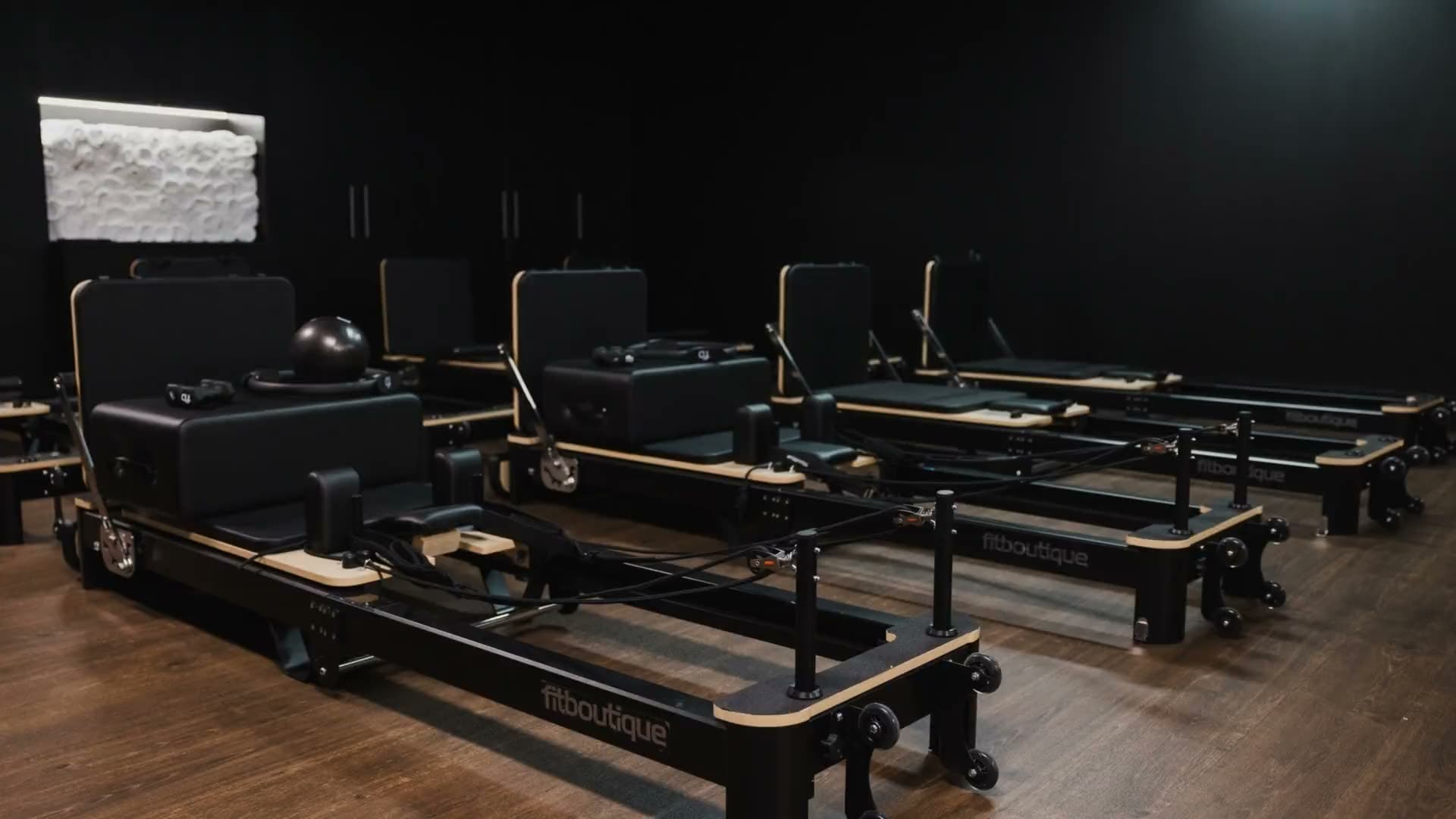
Rebuilds the trunk and hip control a body loses through a growth spurt. The reformer’s springs let a coach set the resistance low enough to train the movement properly, so an athlete owns the position before any load goes on it — which is what protects knees and backs when they land, turn and sprint.
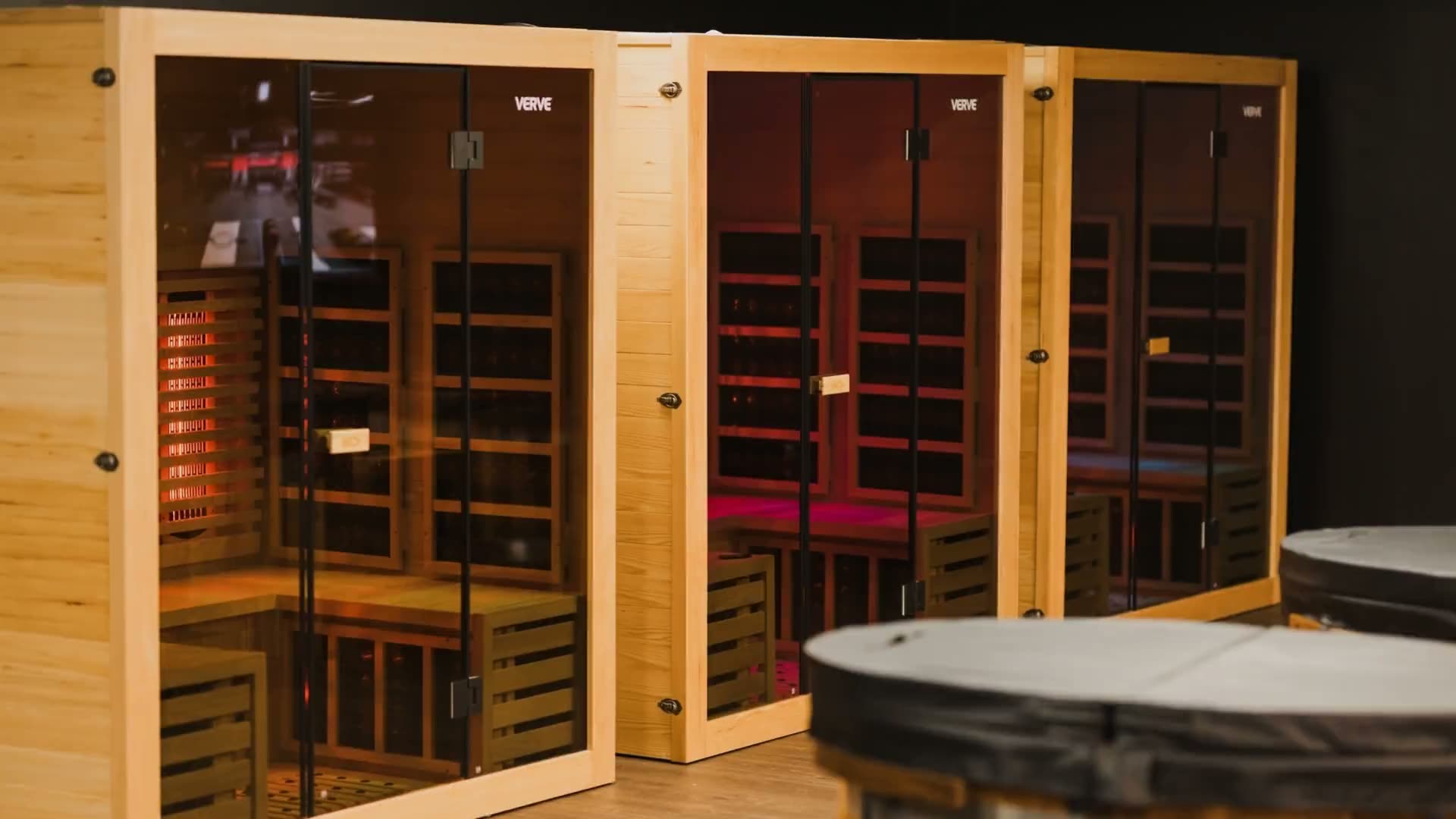
Gets an athlete recovering rather than just resting. Infrared warms the body directly instead of heating the air around it, and a session after training has been shown to bring jump performance back faster and take the edge off next-day soreness.
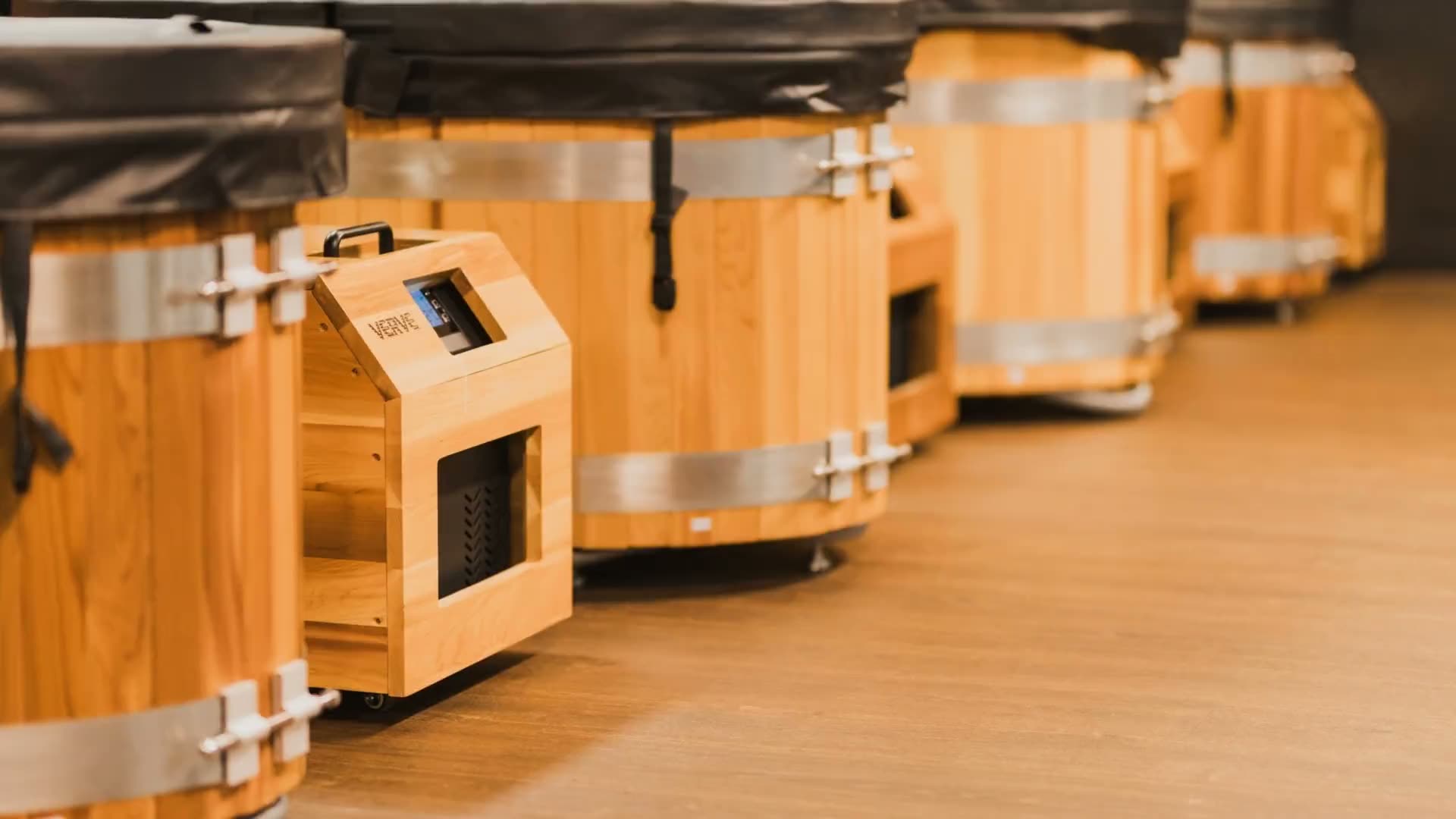
For when the next game matters more than the next gain. Cold water settles the swelling and soreness after a hard session so an athlete backs up quicker — which is why we point them at it in-season and around carnivals, and steer them away from it on the days built for getting stronger.
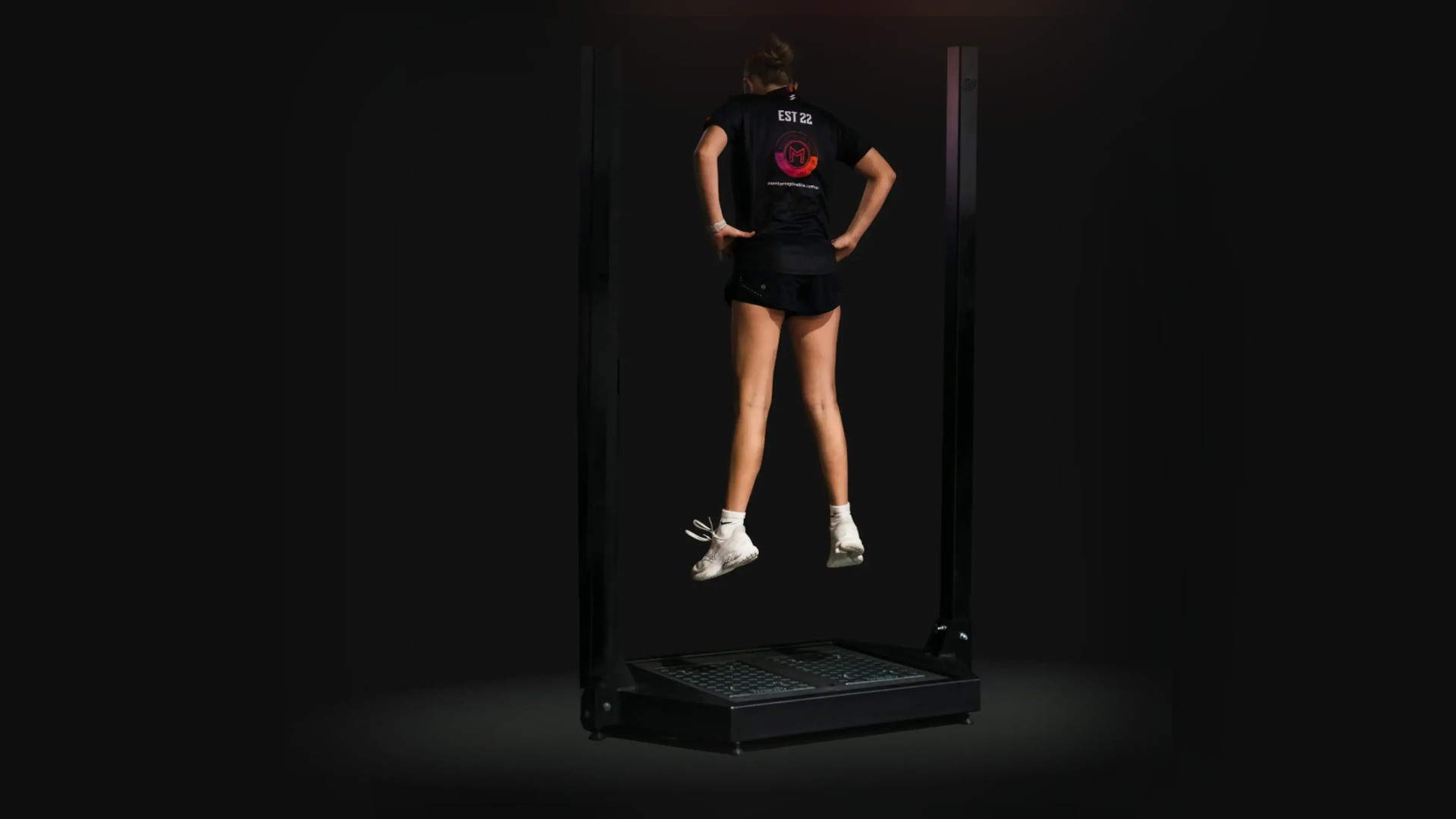
This is what everything else gets built from. The plates measure how hard an athlete pushes into the ground and how fast, so a coach can see which side is doing the work, where the gap is, and whether the last block actually moved anything — instead of guessing.
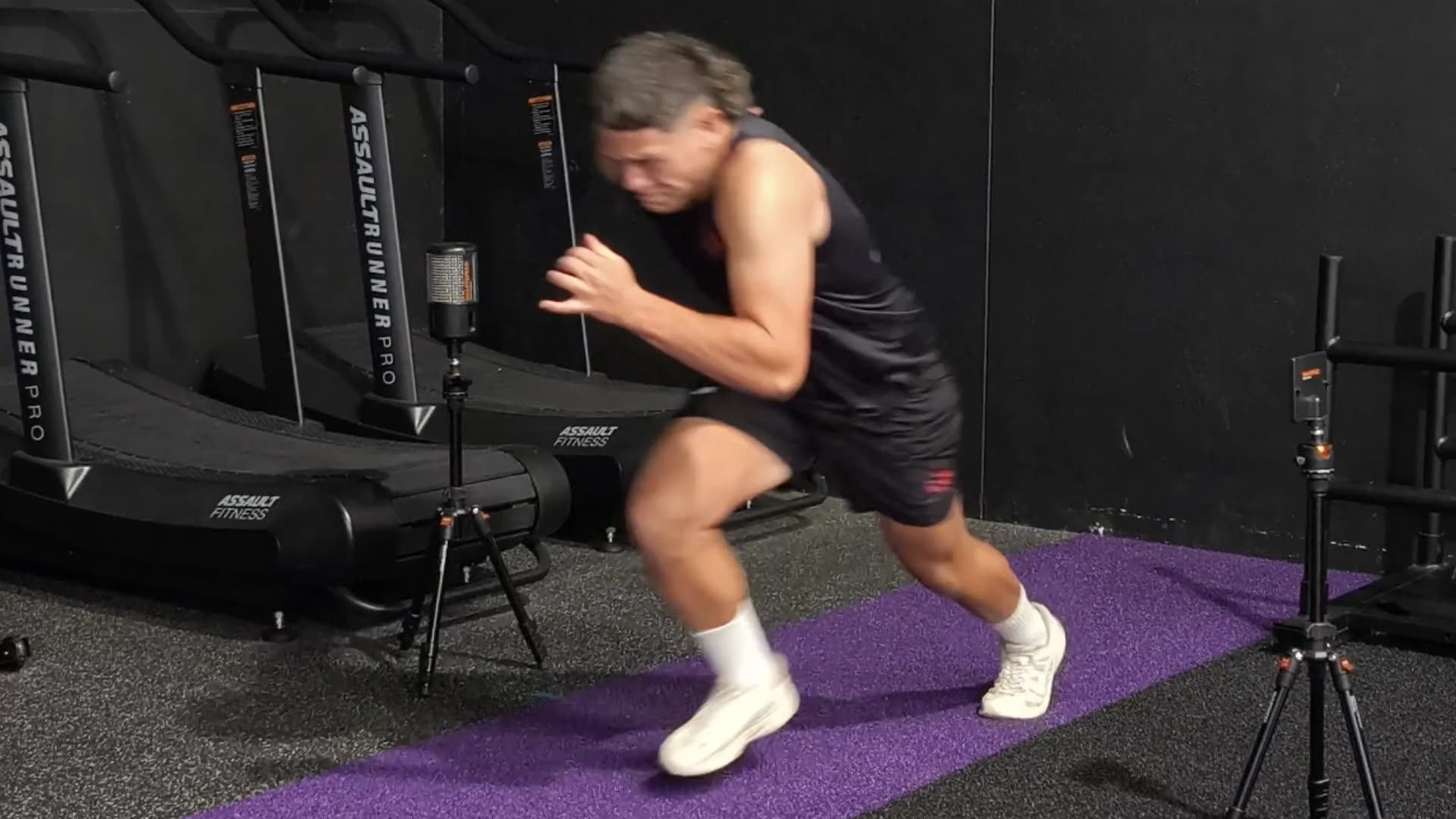
Makes speed something you can actually train. The gates time every run to the hundredth, so an athlete can see the number come down week by week — and a coach knows whether the work is paying off or needs changing.
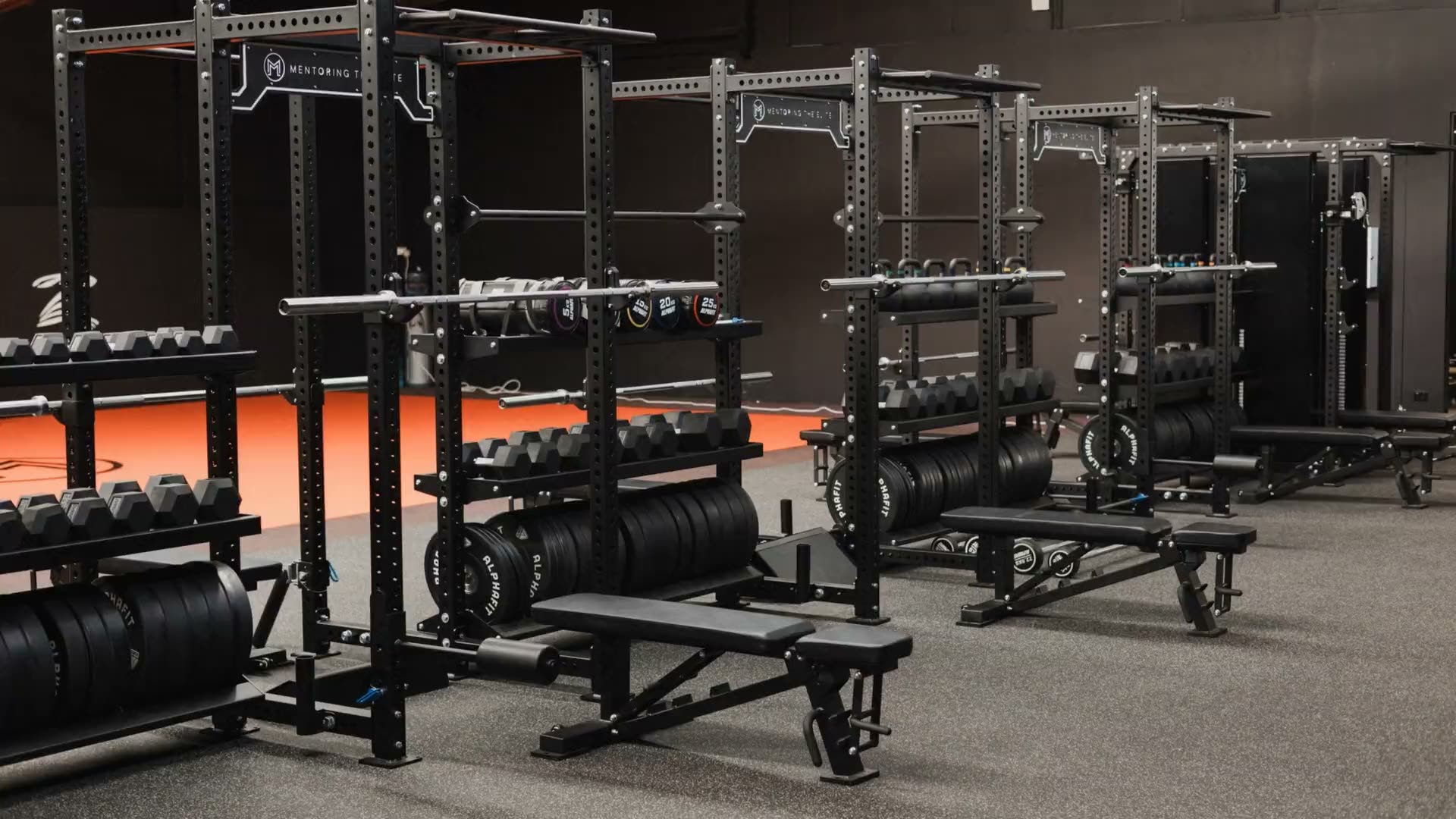
Where athletes get stronger, and it is coached rather than supervised. Small groups mean someone is watching how each rep moves and correcting it, and the load is set off that athlete’s own test numbers rather than what the person beside them is lifting.
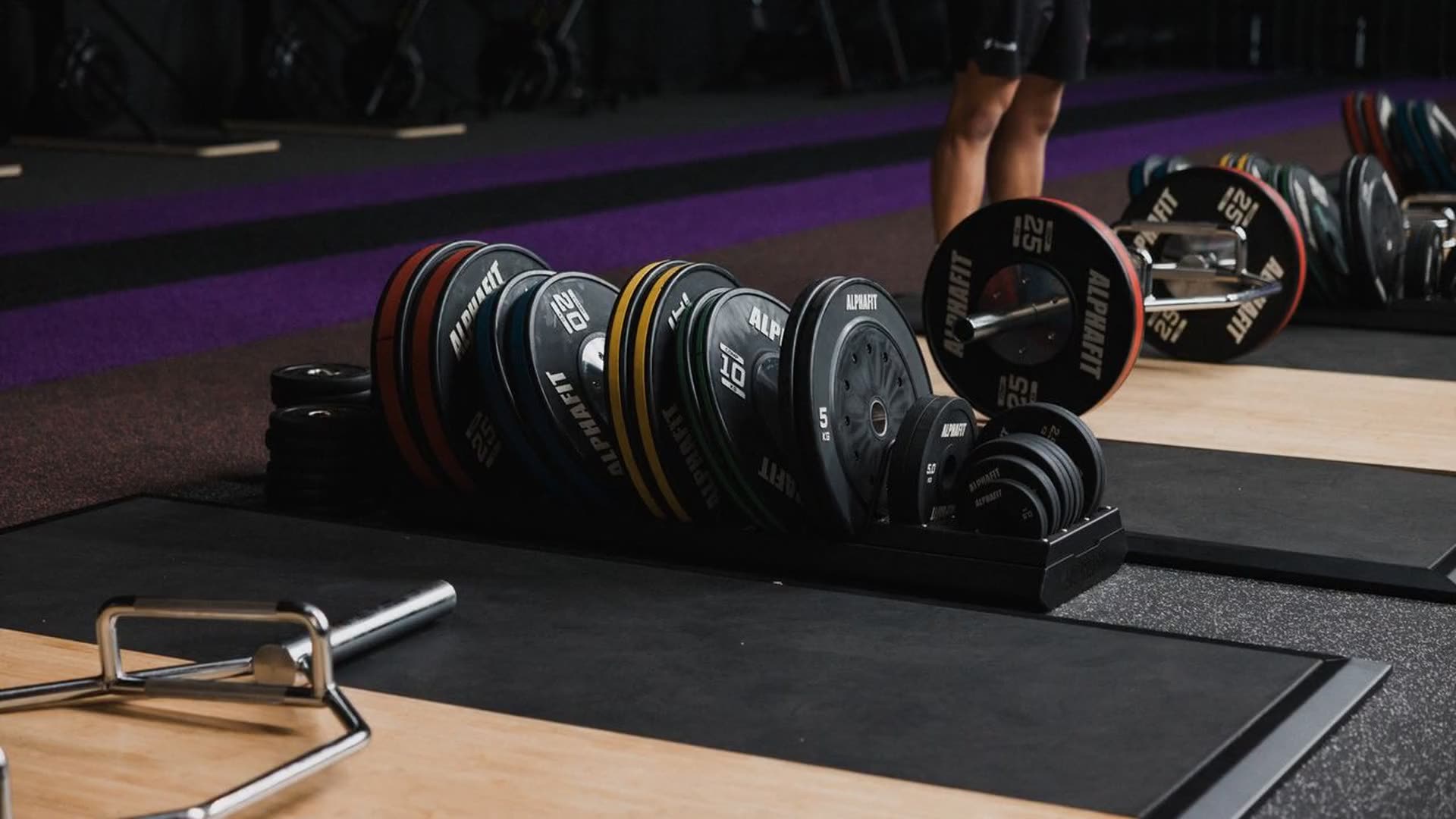
This is where explosiveness comes from. The sprung floor and rubber plates mean a bar can be driven up and dropped safely, and it is that speed under load — not just the weight — that turns into a higher jump and a faster first step.

Where every session starts, and it is not a generic warm-up. Each athlete works through their own list, set from what their testing showed, so the body is ready for the specific thing they are about to do — which is the cheapest injury prevention there is.
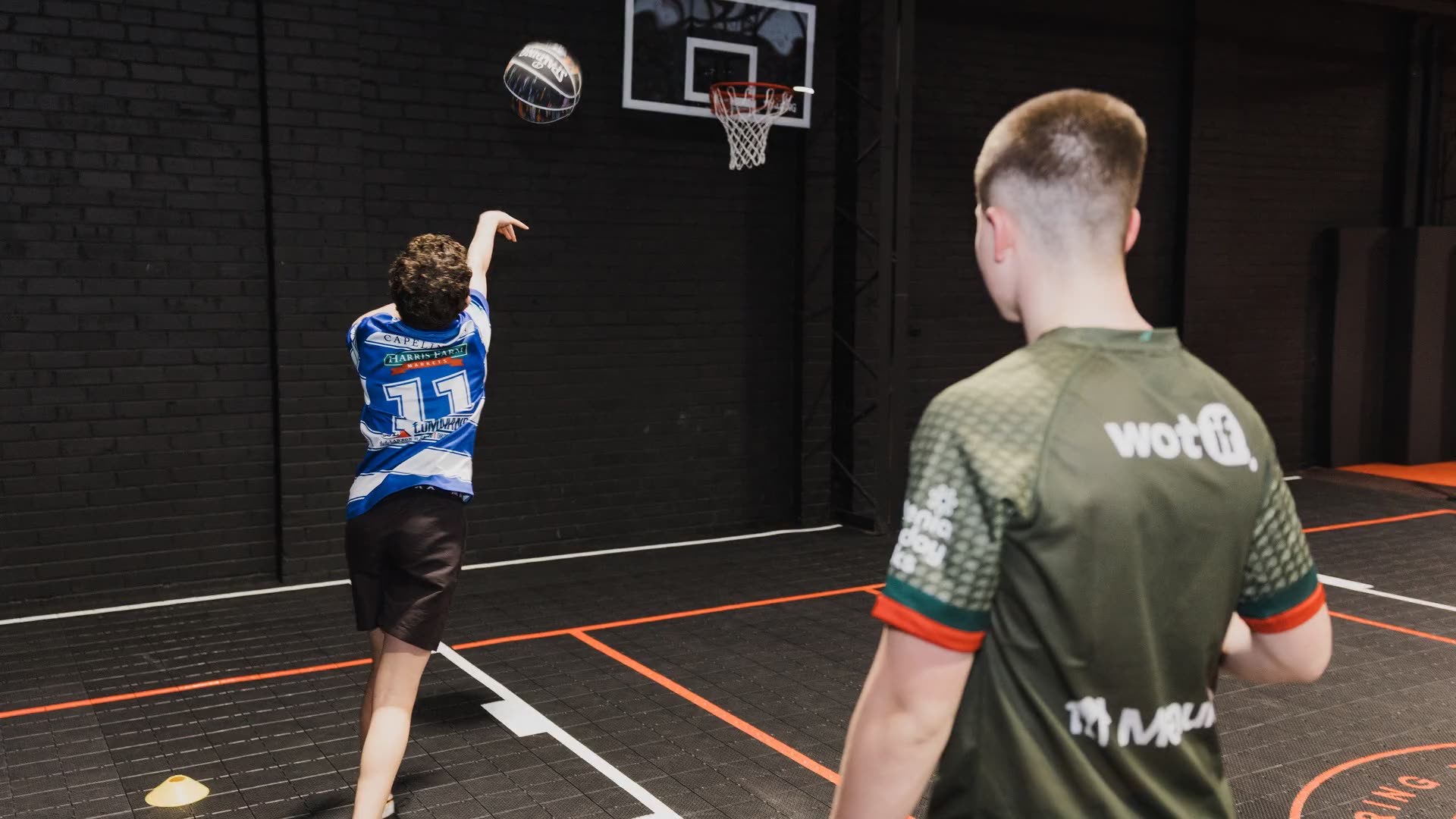
Sharpens the footwork that shows up on a field — stopping, turning, reacting to someone else rather than a cone. It is also the part athletes ask for, and an athlete who enjoys being here is one who keeps turning up.
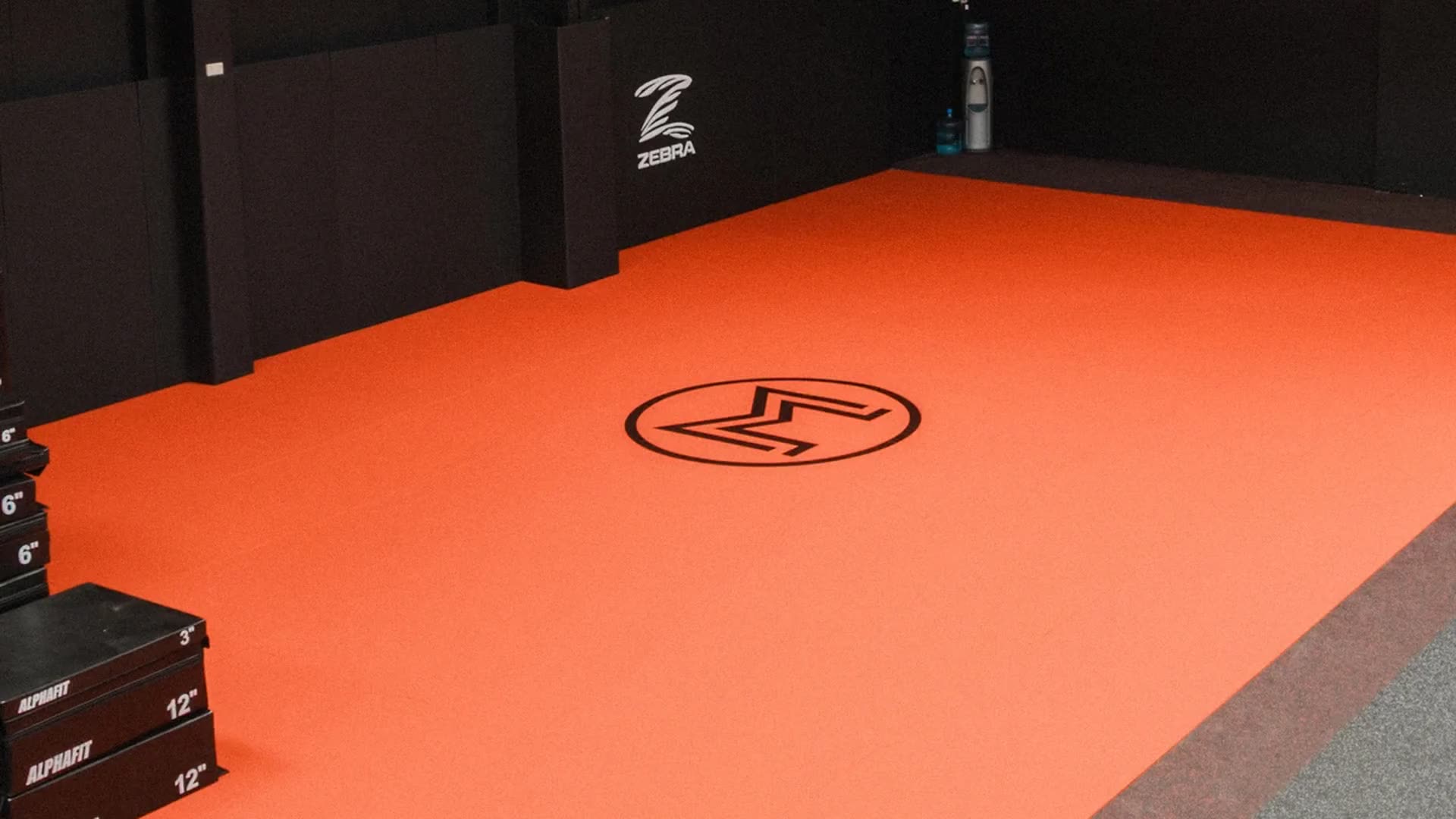
Takes the fear out of contact. Athletes learn to fall, hold and tackle on a surface that forgives mistakes, so the first real hit in a game is something they have already done a hundred times — which is the difference between hesitating and committing.
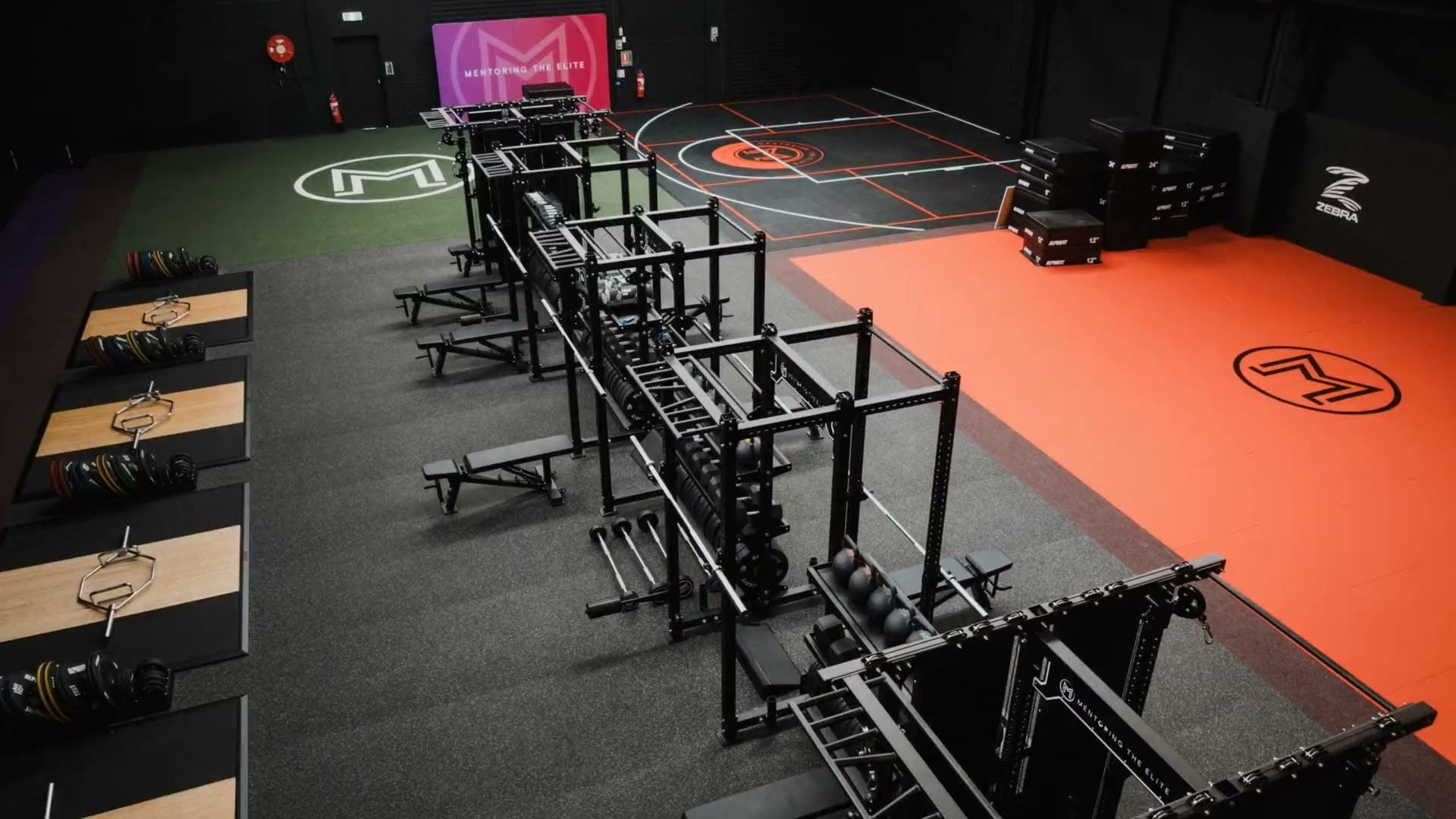
The reason any of it works. Testing, training, contact and recovery sit in one building, so the parts that usually get dropped — the warm-up, the recovery, the retest — are a walk across the floor rather than another trip in the car.
We have a range of memberships to suit our athletes, from the Centre of Excellence in Artarmon through to online-only access.
Youth athlete training, 7 days a week
$18.42 a day · 3 month minimum
Our flagship pathway at the Centre of Excellence, Artarmon, for athletes training three or more days a week and chasing representative honours. The floor is open all seven days and every visit carries unlimited access, so three days a week and six cost the same.
Six session types across the four pillars of athletic development: strength and conditioning, mindset, nutrition, and recovery.
Mentor sessions and customised nutrition plans are booked separately from a membership. Mindset and nutrition education is included as video modules in the MTE+ App.
Whether you’re a parent looking to invest in the right support, or an athlete ready to take things up a notch, we’re here to guide the next step.